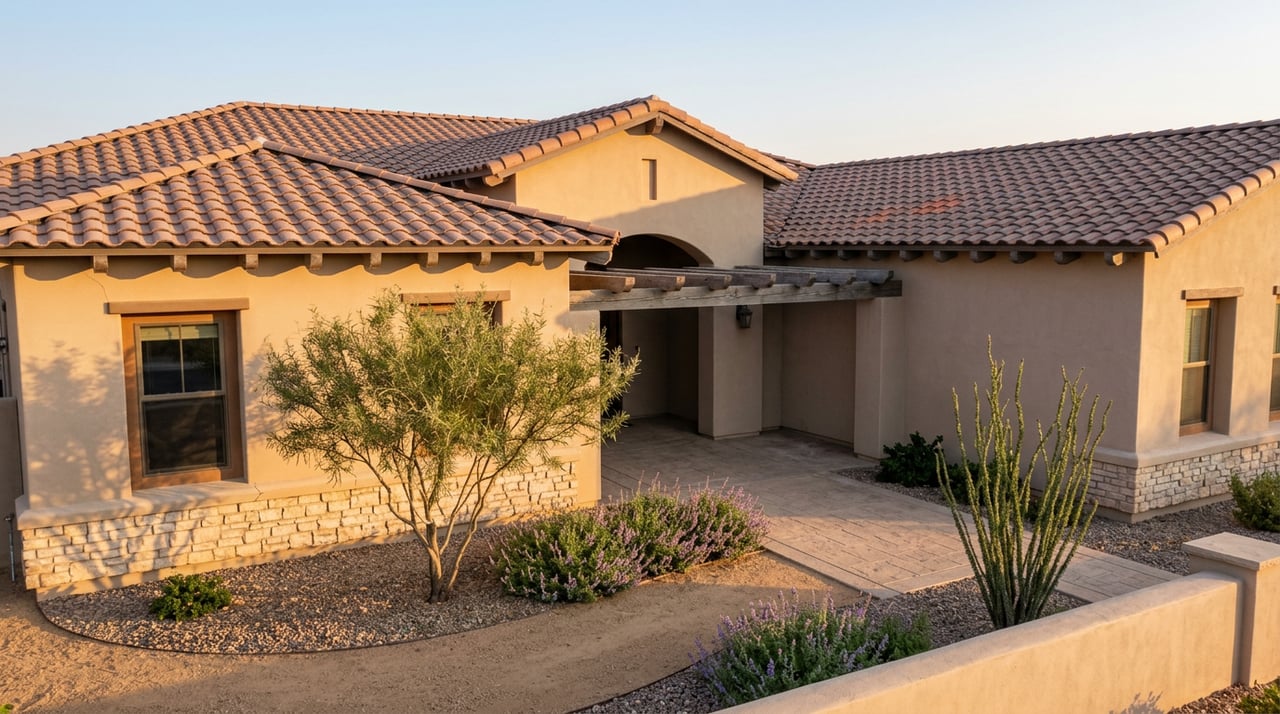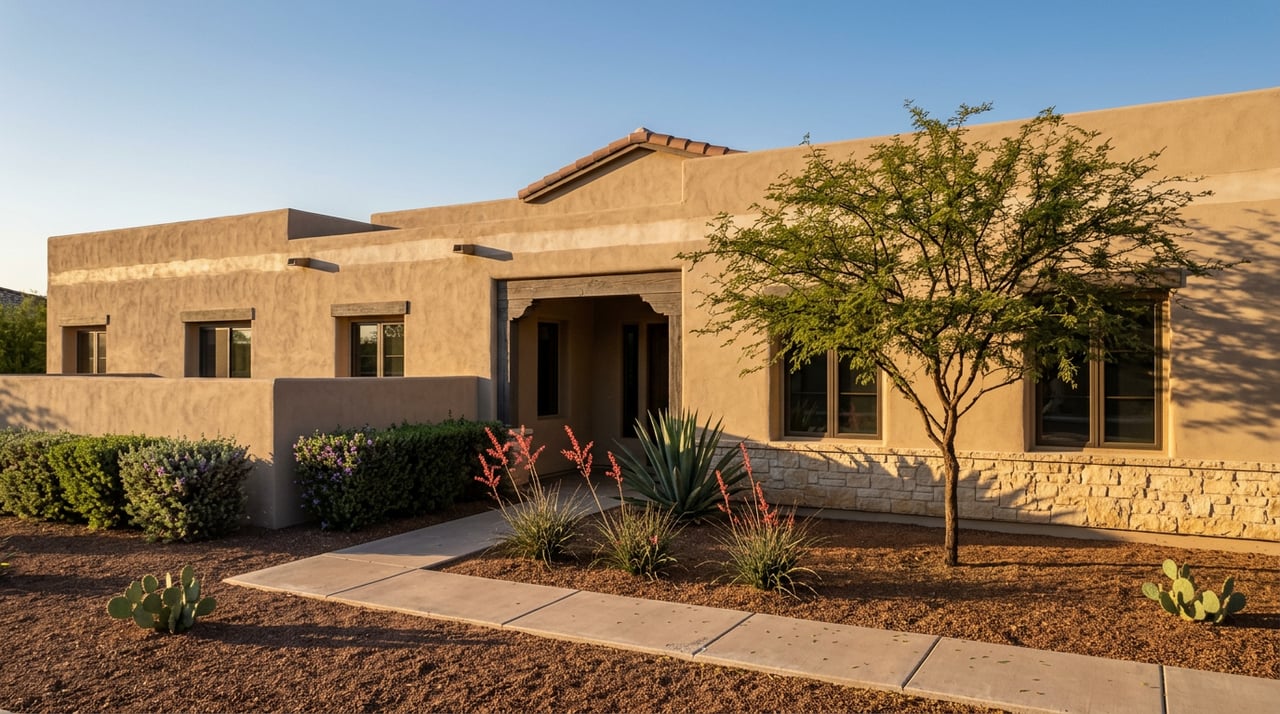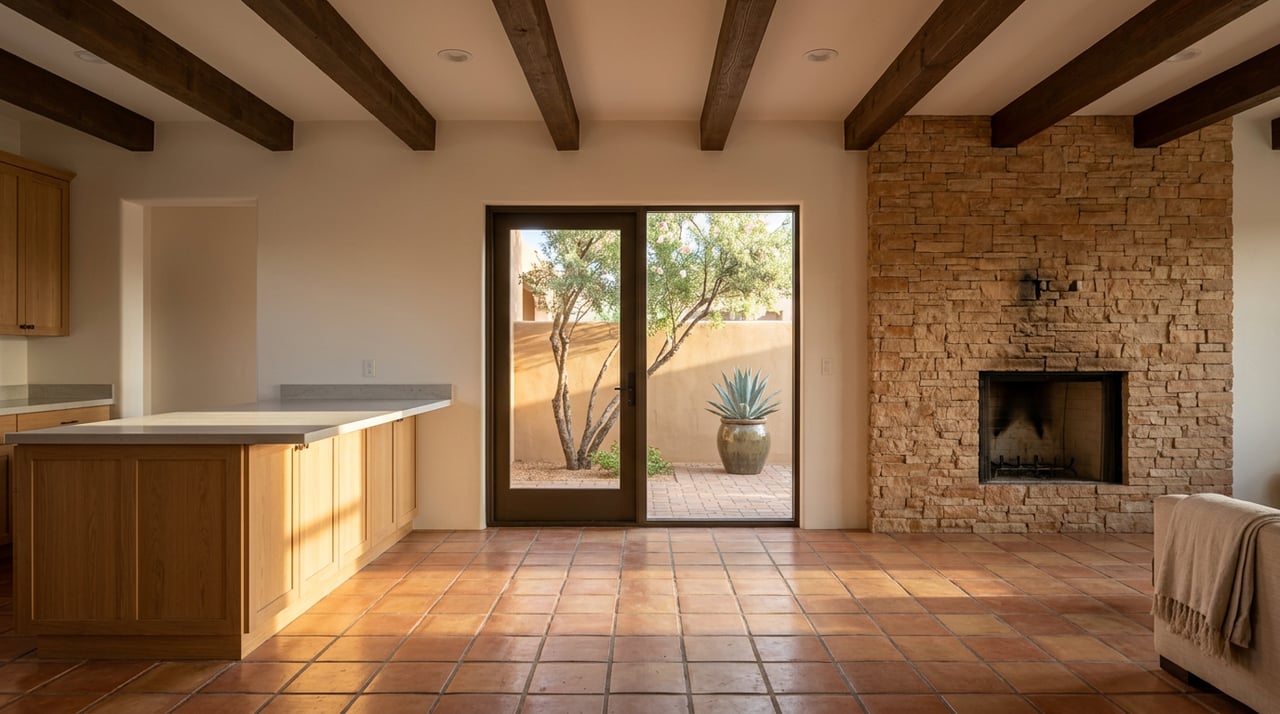
If you have lived on El Paso's West Side for more than a season, you already know the mountains do not move and the Sunday market does. That single fact, more than any list of new openings, is what separates someone who has actually spent a fall out here from someone who just read about it. The trails follow their own reservation calendar, the market swaps addresses depending on which Sunday it is, and this September the two collide on the same day. None of that shows up if you are just skimming for "things to do." It shows up if you live here.
A Market That Doesn't Sit Still
The Upper Valley Artist & Farmers Market runs every Sunday from 11 a.m. to 3 p.m., which is the easy part to remember. The part that trips up newcomers is where. The market alternates locations twice a month, meeting at Mesa Plaza in the Hobby Lobby parking lot at 7930 N. Mesa St. for the first two Sundays, then moving to The Substation on Sunset for the last two.
This September, that puts the market at Mesa Plaza on the 6th and the 13th, then at The Substation on the 20th and the 27th. If you have ever shown up at the wrong lot with a coffee in hand and no vendors in sight, this is why. It is not a market that moved once and never updated its listing. It is built to move on a schedule, every month, and the schedule resets on the same first-two, last-two pattern regardless of the season.
That kind of detail rarely makes it into a generic roundup because it requires actually going more than once to notice. It is the difference between a market you visited and a market you know.
The Hikes Have Their Own Calendar Too
Franklin Mountains State Park is not going anywhere. At roughly 24,000 acres sitting entirely inside city limits, with North Franklin Mountain topping out at 7,192 feet, it is one of the largest urban parks in the country and it has been here since long before anyone reading this moved to the West Side. Pictographs and mortar pits in the park point to people using these mountains for more than 12,000 years, which puts any of our own weekend plans into fairly humble perspective.
What does change, monthly, is the park's guided hike schedule. This September brings two worth putting on the calendar. On Sunday, September 6, rangers are leading a Women's Hike to West Cottonwood Spring, a moderately difficult three-mile route that climbs gradually to open, west-facing vistas before dropping down through a draw shaded by a cottonwood tree. It is open to hikers of any experience level.
The second is heavier. On Sunday, September 27, a ranger-led hike covers six miles round trip to the old El Paso Tin Mines, following a steady, well-marked Jeep road to the site of a mining and smelting operation that ran in the early 1900s. It costs five dollars for anyone 13 and older, it is free for Texas State Park Pass holders and kids 12 and under, and it requires a reservation ahead of time.
Here is the part that only matters if you already know the market's rotation. September 27 is a Substation Sunday. If you are doing the tin mine hike that morning, you can hike, shower, and still make it to the market by early afternoon without backtracking across town. That is not a coincidence anyone advertises. It is just how the two calendars happen to land this month, and it is the kind of overlap you only catch by actually tracking both.
The New Table in Cimarron Hills
The one thing on this list that is genuinely new, rather than newly scheduled, is Kala BajaMed. The restaurant opened to the public on January 30 at 7470 Cimarron Market Ave, the work of three Michelin-starred chefs, Mikel Alonso, Jonatán Gómez Luna, and Carlos Gaytán, who built a menu blending Baja California flavors with Mediterranean technique. It is the kind of pairing El Paso had not seen before on this side of town, and eight months in, it is still the restaurant people bring out-of-town guests to try first.
Dinner service runs 5 to 10 p.m., and the food is built around sharing, so it works as easily for a Tuesday date as it does for a full table on a Friday. If you have not been yet, the fact that it opened in January and is still generating conversation in September tells you something the opening week reviews could not. It has staying power, not just buzz.
Knowing the Calendar Is the Point
None of this reads as a single big event, and that is the actual shape of a West Side fall. There is no signature festival anchoring the season out here the way some neighborhoods build their whole year around one weekend. Instead there is a rhythm: a market that moves on a fixed pattern, a park that rotates its guided programming month to month, and a handful of restaurants and small businesses that either stick around or don't. Knowing which Sunday sends you to Mesa Plaza and which sends you to the Substation is a small thing, but it is the kind of small thing that only comes from actually being here through a few cycles of it.
That is worth remembering the next time someone describes the West Side purely in terms of the Franklin Mountains backdrop or the view from Trans-Mountain Road. The view is real, and it is not going anywhere. But the neighborhood's actual texture, the part that makes it feel like home rather than scenery, lives in the smaller, moving pieces: the hike you had to reserve a week ahead, the market that wasn't where you expected, the restaurant that opened quietly in January and never stopped drawing a crowd.
If you are new to the area and still learning which Sunday is which, that learning curve is normal. It softens fast. And if you are further along, already building bilingual coffee orders around whichever ranger hike you're doing that weekend, you already understand something about this place that does not show up in a search result.
If a move to the West Side, or anywhere else along the border, is somewhere on your horizon and you want someone who already knows which Sunday the market moves, Paty Zavala is glad to help. Let's Connect.